Scroll through enough SIBO forums and you'll find dosing advice ranging from cautious to reckless — which is exactly why getting the fundamentals right matters. Here's a clear, practitioner-informed breakdown of how much to take, when to take it, and how to stay safe while you do.
Why SIBO Dosing Isn't One-Size-Fits-All
If you've been diagnosed with small intestinal bacterial overgrowth, you've probably noticed that dosing advice online is all over the map — one source says 500mg, another says 2,000mg, and your practitioner might land somewhere in between. That's because SIBO treatment dosing depends on the protocol type (antimicrobial herbs vs. prescription antibiotics vs. prokinetics), the severity and type of overgrowth (hydrogen, methane, or hydrogen sulfide dominant), your body weight, and how your gut tolerates treatment.
There is no single universal SIBO dose. What matters more is matching dose to protocol duration, taking supplements at the right time relative to meals, and tracking your response so you can adjust intelligently rather than guessing.
| Category | Typical Daily Range | Notes |
|---|---|---|
| Herbal antimicrobial blends (oregano, berberine, neem) | 2-4 capsules, 2x/day with food | Usually run 4-6 week cycles |
| Berberine (standalone) | 500mg, 2-3x/day | Take with meals to reduce GI upset |
| Prokinetics (ginger-based, 5-HTP based) | Low dose at bedtime, titrate up | Taken on empty stomach, 2-3 hrs after last meal |
| Digestive enzymes | 1 capsule at start of meals | Dose with first bite of food |
| Biofilm disruptors (NAC, enzyme blends) | Per label, often on empty stomach | Typically taken before antimicrobials, 15-30 min prior |
Timing Matters as Much as Dose
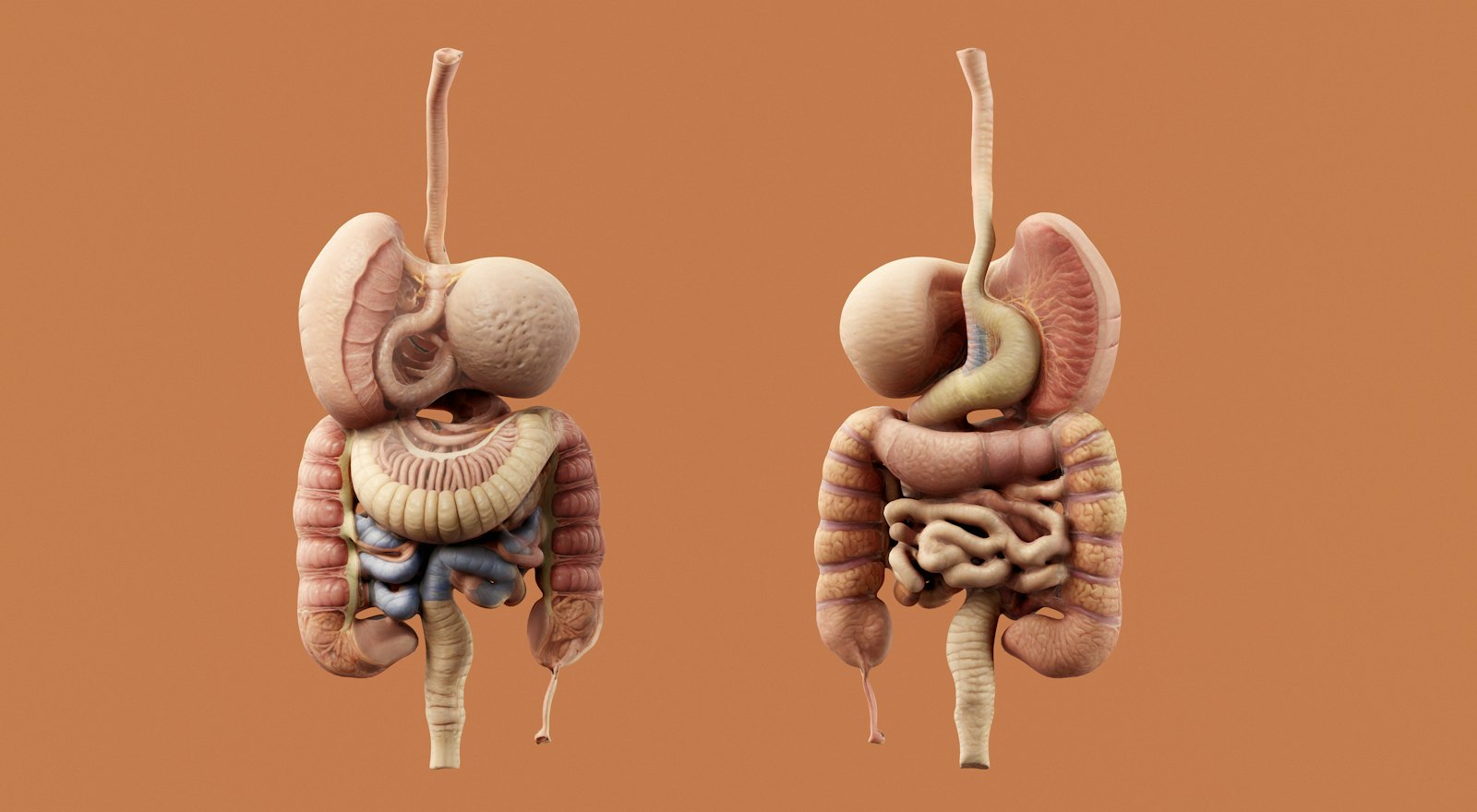
One of the most overlooked variables in SIBO protocols is timing. Antimicrobials are generally most effective when taken with food to minimize nausea and support absorption, while prokinetics work best on an empty stomach — typically at bedtime or between meals — because their job is to stimulate the migrating motor complex (MMC), the 'cleansing wave' that only activates during fasting states.
Biofilm disruptors are often dosed before antimicrobials, giving them a head start to break down protective bacterial biofilms so the antimicrobial compounds can actually reach their target. Taking everything at once, all with breakfast, is a common mistake that blunts the effectiveness of a well-designed protocol.
A Simple Daily Structure
Many practitioner-guided protocols follow a rhythm like: biofilm disruptor on waking (empty stomach) → breakfast with digestive enzymes → antimicrobial herbs with lunch and dinner → prokinetic before bed. This isn't universal, but it illustrates how sequencing can matter more than raw milligram counts.
Source Practitioner-Grade SIBO Support
iHerb carries a wide range of third-party-tested berberine, oregano oil, and prokinetic formulas with transparent dosing on every label — useful when you're comparing milligram strengths across brands.
Shop iHerb Gut Formulas →
Starting Low: Why Titration Beats Jumping to Full Dose
SIBO die-off (sometimes called a Jarisch-Herxheimer-like reaction) is real and uncomfortable — bloating, fatigue, and brain fog can spike in the first few days of antimicrobial treatment as bacteria die and release endotoxins. Starting at roughly half the target dose for the first 3-5 days, then titrating up, is a common strategy to reduce this reaction without abandoning treatment altogether.
This is especially important for methane-dominant SIBO (now often classified as intestinal methanogen overgrowth, or IMO), where overly aggressive dosing without adequate prokinetic support can worsen constipation before things improve.
How Long Should You Stay on a Protocol?
Most herbal antimicrobial protocols run in 4-6 week cycles, often followed by a retest via breath testing before deciding whether to repeat, extend, or switch approaches. Prescription antibiotic protocols (like rifaximin, which must be prescribed by a physician) typically run shorter — around 10-14 days — but may be paired with prokinetics for a longer maintenance period afterward.
A dose that feels 'right' in week one may need adjusting by week three as your microbiome shifts. This is why periodic reassessment, ideally with retesting, matters more than rigidly sticking to an initial plan.
Confirm Before You Dose
Before committing to months of antimicrobial dosing, confirm what you're actually treating. EmpowerDx offers at-home SIBO breath testing kits that identify hydrogen vs. methane dominance to guide smarter protocol decisions.
Check SIBO Breath Test Kits →Safety Considerations and When to Scale Back
Herbal antimicrobials are generally well-tolerated but aren't risk-free. Berberine can interact with blood sugar medications and certain blood thinners. Oregano oil in high doses can irritate the stomach lining. Prokinetics containing 5-HTP should be used cautiously alongside SSRIs due to serotonin syndrome risk.
Scale back or pause a protocol if you experience severe abdominal pain, persistent vomiting, signs of dehydration, or a dramatic worsening of symptoms beyond typical mild die-off. These warrant a conversation with your physician or gastroenterologist rather than pushing through on your own.
- Never combine multiple antimicrobial blends without professional guidance — stacking increases die-off risk
- Pregnant or breastfeeding individuals should avoid most herbal antimicrobial protocols entirely
- Those with liver or kidney conditions should have dosing reviewed by a provider before starting
Build a Structured, Trackable Protocol
System Labs offers practitioner-formulated antimicrobial and prokinetic stacks designed to be sequenced together, taking the guesswork out of timing and dose progression.
Explore System Labs Protocols →A Practical Starting Checklist
Before you take your first dose of anything, get clear on these basics so you're adjusting based on data, not guesswork.
- Confirm hydrogen, methane, or hydrogen sulfide dominance via breath testing
- Start antimicrobials at half-dose for the first 3-5 days
- Take prokinetics on an empty stomach, separated from meals
- Keep a simple symptom log (bloating, bowel habits, energy) to track response week over week
- Plan a retest 4-6 weeks into treatment rather than guessing when you're 'done'
Compare Digestive Enzyme and Prokinetic Options
Browse ginger-based prokinetic blends and broad-spectrum digestive enzyme supplements to round out a SIBO protocol alongside antimicrobial treatment.
Shop Digestive Support on Amazon →From across the network
More from the network on related topics: VitaminSupplyCenter · HerVitalityLab · HerDesireLab.