Walk into any pharmacy or scroll through a wellness site and you'll see probiotics and prebiotics marketed almost interchangeably—as if they're the same thing with different labels. They're not. One introduces live microorganisms into your gut; the other feeds the microorganisms already living there. Understanding the difference isn't just semantic—it determines whether a supplement will actually help your specific symptoms, or simply pass through your system doing nothing.
What Each One Actually Does
Probiotics are live bacteria and yeasts—strains like Lactobacillus rhamnosus, Bifidobacterium lactis, or Saccharomyces boulardii—that, when consumed in adequate amounts, can temporarily colonize the gut and interact directly with your immune system and existing microbial community. Think of them as reinforcements arriving from outside.
Prebiotics, by contrast, are non-digestible fibers and compounds—inulin, fructooligosaccharides (FOS), galactooligosaccharides (GOS), resistant starch—that humans can't break down but the bacteria already residing in your colon can. Rather than adding new organisms, prebiotics selectively fuel the beneficial bacteria you already have, helping them multiply and produce short-chain fatty acids like butyrate, which nourish colon cells and support the gut barrier.
The Evidence: What Research Actually Supports
Clinical research on probiotics is strain-specific, which matters enormously. Lactobacillus rhamnosus GG and Saccharomyces boulardii have reasonably consistent trial support for reducing antibiotic-associated diarrhea. Certain Bifidobacterium strains show modest benefit for IBS symptom relief, particularly bloating and irregularity. But the effect sizes are often modest, and results don't automatically generalize across every probiotic product on a shelf—the strain, dose (measured in CFUs, or colony-forming units), and delivery method all matter.
Prebiotic research is smaller in volume but mechanistically well understood. Inulin and GOS have documented effects on increasing Bifidobacteria populations and improving stool frequency in some populations. Resistant starch has decent evidence for improving insulin sensitivity and feeding butyrate-producing bacteria. The catch: prebiotics are fermentable, and fermentation produces gas—which is exactly why some people feel worse before they feel better.
Who Tends to Benefit From Probiotics
- People recovering from a course of antibiotics, to help restore microbial diversity
- Those with diagnosed IBS-D or IBS-C looking for strain-specific symptom relief
- Travelers seeking to reduce the risk or duration of traveler's diarrhea
- Anyone experiencing occasional bloating or irregularity without a clear underlying cause
- People supporting immune function during high-stress or high-exposure periods
Who Tends to Benefit From Prebiotics
- People with generally healthy gut flora who want to maintain and feed it long-term
- Those focused on increasing short-chain fatty acid production and colon health
- Individuals managing blood sugar who may benefit from resistant starch's metabolic effects
- People who tolerate fiber well and want a gentle, food-based approach
- Anyone using prebiotics alongside probiotics as a synbiotic combination for enhanced colonization
Side Effects: What to Actually Expect
Probiotic side effects are usually mild and temporary—gas, bloating, and minor digestive shifts in the first week as your gut adjusts. Rarely, in people with compromised immune systems or central lines, probiotic strains have been linked to bloodstream infections, which is why anyone immunocompromised should consult a doctor before starting.
Prebiotic side effects tend to be more predictable and dose-dependent: excess gas, cramping, and bloating from fermentation, especially with inulin and FOS at higher doses. People with SIBO (small intestinal bacterial overgrowth) or fructose malabsorption often feel notably worse on prebiotics, since the fermentable fibers feed bacteria that may already be overgrown in the wrong location. If you have diagnosed SIBO, a low-FODMAP approach—minimizing prebiotic fibers—usually makes more sense than adding them.
| Probiotics | Prebiotics | |
|---|---|---|
| What it is | Live beneficial bacteria/yeast | Non-digestible fiber that feeds bacteria |
| Best for | Restoring flora after antibiotics, IBS symptoms | Feeding existing healthy bacteria long-term |
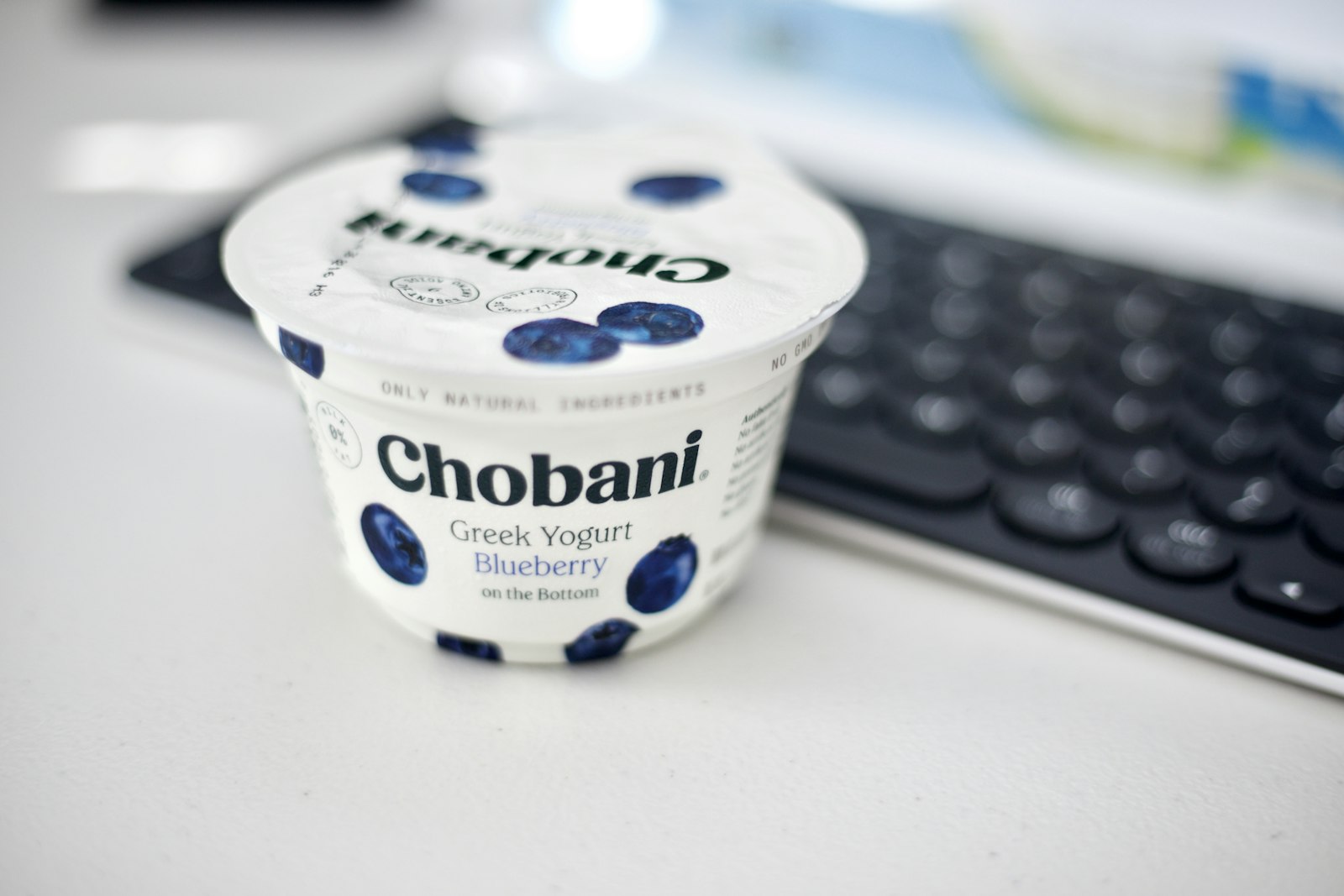
| Common sources | Yogurt, kefir, capsules with CFU counts | Chicory root, inulin, GOS, resistant starch |
| Typical side effects | Mild gas/bloating; rare risk if immunocompromised | Gas, cramping, worse with SIBO |
| Onset of results | Days to a few weeks, strain-dependent | Weeks, as bacterial populations shift |
Dosing: Start Low, Track Response
For probiotics, look for products stating a specific CFU count (commonly 1–20 billion CFU per serving for general maintenance) and named strains rather than vague blends. Starting at the lower end of a product's suggested dose for the first week lets you gauge tolerance before scaling up.
For prebiotics, dosing is even more about titration. Starting with just a few grams of inulin or resistant starch daily and increasing gradually over two to three weeks minimizes the gas and bloating that come from overwhelming your colon's fermentation capacity all at once. Taking prebiotic fiber with food, and pairing it with adequate water intake, also reduces discomfort.
Shop Strain-Specific Probiotics on iHerb
Compare CFU counts, named strains, and prebiotic fiber blends from trusted supplement brands—all in one place with transparent labeling.
Browse iHerb →Find a Multi-Strain Probiotic
Look for shelf-stable capsules with disclosed CFU counts and clinically studied strains like L. rhamnosus or B. lactis.
Shop on Amazon →Try a Gentle Prebiotic Fiber Blend
Inulin and resistant starch blends designed for gradual dosing, ideal for feeding existing gut flora without overwhelming digestion.
Shop on Amazon →Should You Take Both?
Combining probiotics and prebiotics—often called a synbiotic approach—can make sense for many people, since the added fiber may help the introduced bacterial strains survive and establish themselves more effectively. That said, if you're new to either, layering both at once makes it hard to identify what's causing any digestive discomfort.
A practical approach: introduce one at a time, give it two to three weeks, and track your symptoms before adding the second. If you have a diagnosed condition like SIBO, IBD, or a compromised immune system, loop in a healthcare provider before combining supplements, since the right sequencing genuinely differs by individual gut chemistry.
From across the network
More from the network on related topics: VitaminSupplyCenter · HerVitalityLab · HerDesireLab.