Your gut microbiome shifts faster than your genetics ever will — and the science on how to guide it in a healthy direction has never been clearer. Here's a practical, evidence-based approach built around fiber diversity, fermented foods, and smart supplementation.
Why Your Gut Microbiome Deserves Daily Attention
Your gut is home to trillions of microorganisms that influence digestion, immunity, mood, and even how your body regulates weight. This isn't fringe wellness talk anymore — it's an active, fast-moving area of clinical research, and the consensus is clear: microbial diversity is a strong marker of overall health.
The good news is that your microbiome is remarkably responsive. Unlike your genetics, it can shift meaningfully within days based on what you eat, how you move, and how you manage stress. That responsiveness is exactly why targeted, evidence-based habits matter so much in 2026, when ultra-processed diets have made low-diversity gut profiles increasingly common.
Start With Fiber Diversity, Not Just Fiber Quantity
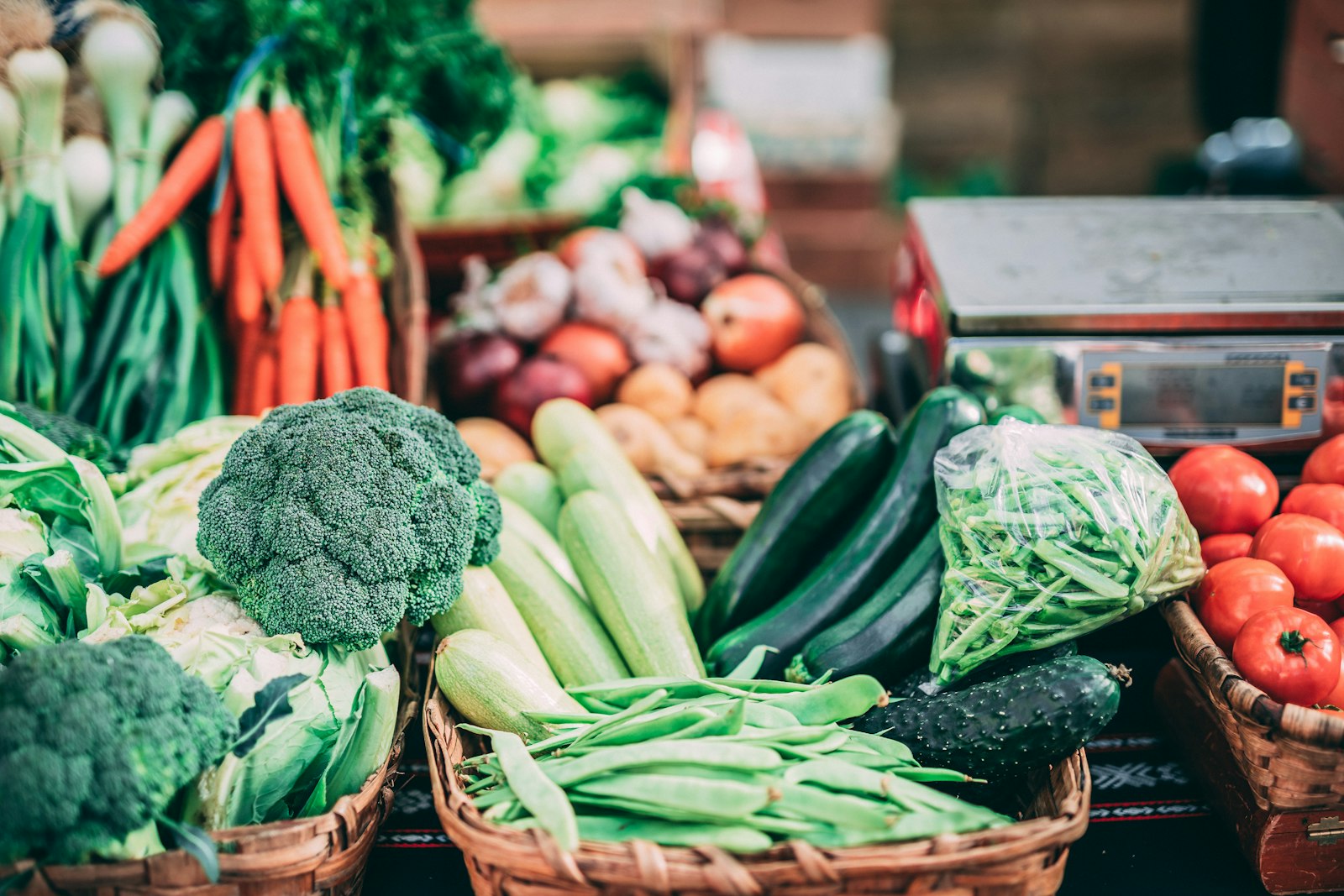
Most people fixate on hitting a fiber gram target, but the research increasingly points to plant diversity as the more important lever. Studies on the American Gut Project found that people who ate 30+ different plant types per week had significantly more diverse gut bacteria than those eating fewer than 10 — regardless of total fiber grams consumed.
Different fibers feed different bacterial species. Inulin from garlic and onions, resistant starch from cooled potatoes and green bananas, and beta-glucans from oats each nourish distinct microbial populations. Relying on one fiber source repeatedly — even a healthy one — narrows your microbiome rather than expanding it.
- Aim for variety across legumes, whole grains, vegetables, fruits, nuts, and seeds each week
- Rotate fiber sources rather than eating the same salad or oatmeal daily
- Include resistant starch sources like cooled rice, lentils, and green plantains
- Don't fear moderate fat — fiber-fat combinations slow transit time, aiding fermentation
Build a Fiber-Diverse Pantry
Stock acacia fiber, psyllium husk, and inulin blends to fill gaps when whole-food variety is hard to reach on busy weeks.
Shop Fiber Supplements →Fermented Foods: The Fastest Way to Add Live Cultures
A 2021 Stanford study published in Cell found that a diet high in fermented foods — not just fiber — increased microbiome diversity and lowered inflammatory markers over just 10 weeks. Participants who ate fermented foods like yogurt, kefir, kimchi, and kombucha saw measurable shifts that the high-fiber-only group didn't replicate in the same timeframe.
This doesn't mean fiber is less important; it means fermented foods deliver something fiber alone can't: live, active microbial strains that can transiently colonize and interact with your resident gut bacteria, potentially crowding out less favorable species.
- Live-culture yogurt or kefir (check for 'live and active cultures' on the label)
- Unpasteurized sauerkraut and kimchi (pasteurization kills the beneficial bacteria)
- Kombucha (opt for lower-sugar varieties)
- Miso and tempeh as fermented protein alternatives
How Much Fermented Food Is Enough?
The Stanford study used roughly 6 servings per day, which is more than most people will sustainably eat. Start with one serving daily — a small glass of kefir or a forkful of sauerkraut with a meal — and build up gradually. Sudden large amounts can cause temporary bloating as your gut adjusts.

Stock Your Fridge With Live Cultures
Browse refrigerated kimchi, sauerkraut, and kefir starter kits to make daily fermented servings effortless.
Shop Fermented Foods →Where Probiotic Supplements Fit In
Food-first is the right foundation, but targeted probiotic supplementation can help during specific situations: after antibiotic use, during travel, or when digestive symptoms flare. Look for products that list specific strains (not just 'probiotic blend') and CFU counts backed by published research for that strain.
Multi-strain formulations with Lactobacillus and Bifidobacterium species are the most studied for general digestive support. Rotating probiotic strains every few months may also support broader diversity, similar to rotating fiber sources.
Targeted Multi-Strain Probiotic Support
A researched-strain probiotic formula designed to support digestive comfort and microbial balance alongside a fiber-rich diet.
View Probiotic Formula →| Habit | Primary Benefit | How Often |
|---|---|---|
| Eat 30+ plant varieties/week | Increases microbial species diversity | Ongoing, weekly rotation |
| Add 1 fermented food serving/day | Introduces live active cultures | Daily |
| Include resistant starch (cooled potato, rice, legumes) | Feeds beneficial short-chain fatty acid producers | 4-5x per week |
| Limit ultra-processed foods & emulsifiers | Reduces microbiome disruption | Ongoing |
| Consider targeted probiotic strains | Supports recovery after antibiotics or travel | As needed |
The Foods and Habits That Undermine Diversity
Emerging research on food emulsifiers — common in packaged breads, ice creams, and sauces — suggests they may thin the protective mucus layer of the gut lining and alter bacterial composition in ways that promote inflammation. Artificial sweeteners have shown similar disruptive effects on microbial populations in several controlled studies.
Chronic stress and poor sleep also matter more than most people realize. The gut-brain axis is bidirectional — cortisol and stress hormones can alter gut motility and bacterial balance, which is part of why stress management is now considered a legitimate microbiome intervention, not just a general wellness tip.
- Minimize ultra-processed foods with long emulsifier ingredient lists
- Limit artificial sweeteners, especially sucralose and saccharin
- Prioritize consistent sleep timing — gut bacteria follow circadian rhythms too
- Manage chronic stress through movement, breathwork, or time outdoors
If You Suspect Something Deeper Is Going On
Persistent bloating, irregular bowel habits, or ongoing digestive discomfort despite dietary changes can sometimes point to underlying imbalances like SIBO, dysbiosis, or food sensitivities that deserve a closer look rather than more guesswork.
At-home testing has become a practical first step before committing to specialist visits, giving you objective data to bring into any follow-up conversation with a healthcare provider.
Get Clarity Before You Guess
At-home health testing kits can help you rule out common underlying issues so your gut-improvement efforts are targeted, not trial-and-error.
Explore Testing Options →Putting It Together: A Realistic 30-Day Approach
Improving your microbiome isn't about a dramatic overhaul — it's about stacking small, consistent inputs. Focus on one new plant food per week, one daily fermented food serving, and gradually phasing out the most disruptive processed staples in your pantry.
Track how you feel, not just what you eat. Reduced bloating, more regular digestion, and steadier energy are the practical signals that your gut community is shifting in the right direction — often well before any lab test would confirm it.
From across the network
More from the network on related topics: VitaminSupplyCenter · HerVitalityLab · HerDesireLab.