The gut-brain axis is one of the most talked-about concepts in wellness marketing—but how much of it is backed by solid human evidence, and how much is extrapolated from mouse studies? Here's a clear-eyed look at what the science actually supports.
What the Gut-Brain Axis Actually Is
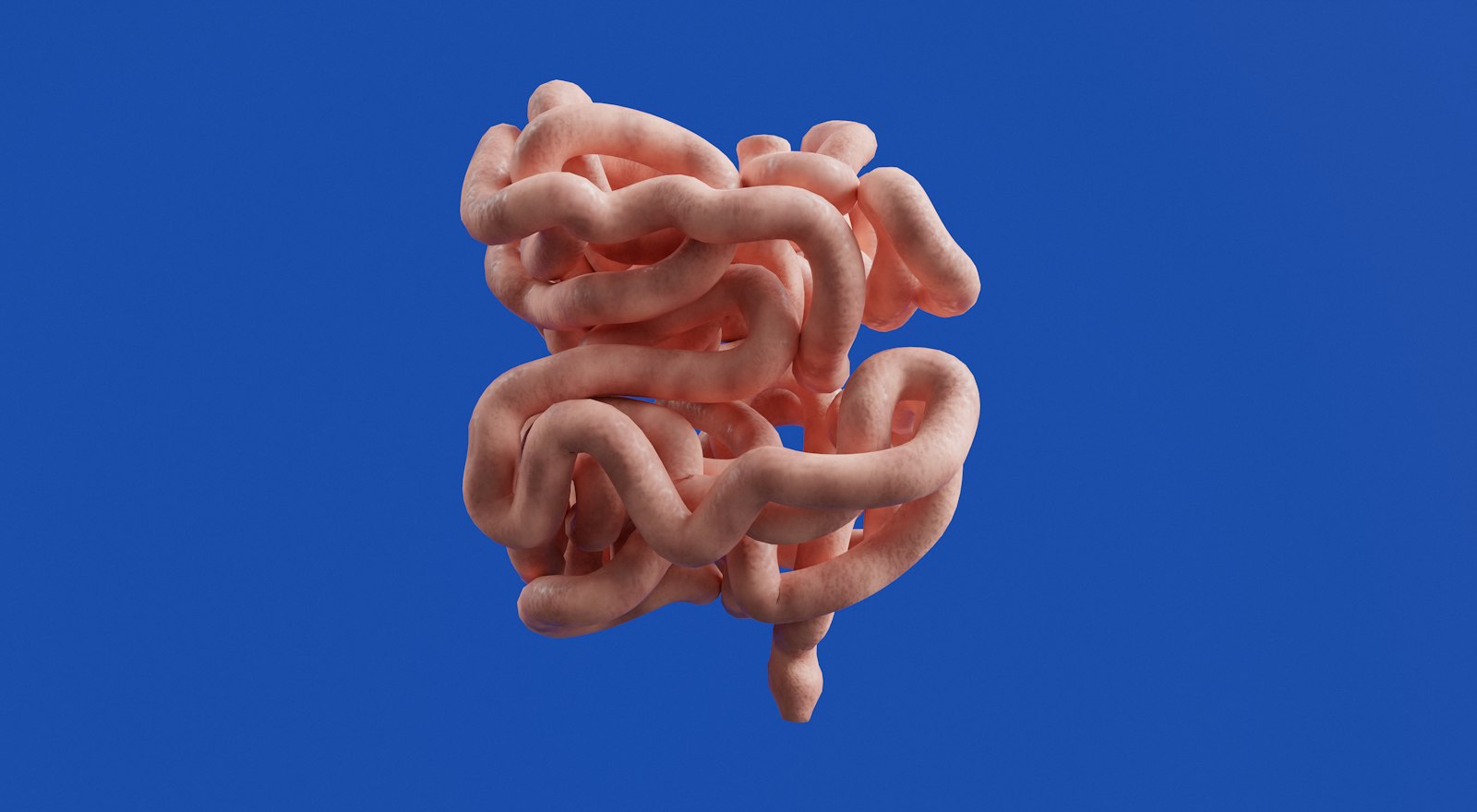
The gut-brain axis refers to the bidirectional communication network linking your gastrointestinal tract and your central nervous system. This isn't fringe theory—it's an established physiological pathway studied through the vagus nerve, the immune system, and biochemical signaling via neurotransmitters and microbial metabolites.
What's less settled is how much day-to-day influence your gut microbiome has over mood, cognition, and stress response in healthy adults. The research is real, but the popular narrative has outrun the evidence in several places.
The Mechanisms That Are Well-Established
Three pathways have strong mechanistic support in peer-reviewed literature. The vagus nerve carries signals directly between gut and brainstem, and vagal tone appears to shift with gut inflammation. Gut bacteria produce short-chain fatty acids like butyrate, which influence inflammation and may affect blood-brain barrier integrity. And roughly 90% of the body's serotonin is produced in the gut, though gut serotonin doesn't cross into the brain directly—it primarily regulates gut motility and signals the brain indirectly through the vagus nerve.
- Vagus nerve signaling between enteric and central nervous systems
- Short-chain fatty acid production (butyrate, propionate, acetate)
- Immune-mediated inflammatory signaling via cytokines
- Microbial influence on tryptophan metabolism, a serotonin precursor
Where the Evidence Gets Thinner
Most of the dramatic claims—"fix your gut, cure your anxiety"—trace back to rodent studies using germ-free mice, fecal transplants, or specific probiotic strains at research-grade doses. These findings are genuinely exciting for future therapeutics, but translating them to humans taking an over-the-counter probiotic capsule is a significant leap.
Human trials on probiotics for mood and anxiety ('psychobiotics') show mixed, modest results. Some trials using specific multi-strain formulas (often Lactobacillus and Bifidobacterium combinations) report small reductions in self-reported stress or anxiety scores over 4-8 weeks. Others show no significant effect versus placebo. Effect sizes, when present, tend to be small—not the transformation implied by supplement marketing.
| Claim | Evidence Strength | What's Actually Known |
|---|---|---|
| Gut bacteria influence mood signaling | Moderate | Mechanistically plausible via vagus nerve and inflammation |
| Specific probiotics reduce anxiety | Weak-to-Moderate | Small effects in some trials; strain and dose dependent |
| Fixing gut health cures depression | Very Weak | Not supported; depression is multifactorial |
| Gut dysbiosis correlates with IBS and mood symptoms | Moderate | Correlation observed; causation unclear |
| Diet quality affects microbiome composition | Strong | Well-replicated across diet-intervention studies |
Why Correlation Keeps Getting Mistaken for Causation
Many widely cited studies show that people with depression or anxiety have different gut microbiome compositions than controls. That's a real, replicated finding. But it doesn't tell you which direction causation runs. Chronic stress alters gut motility, bile acid secretion, and immune activity—meaning poor mental health could be reshaping the microbiome, rather than the other way around.
Diet, sleep, exercise, and medication use also independently affect both mood and microbiome composition, making it hard to isolate the gut as the causal driver in observational human data.
Explore Research-Backed Probiotic Strains
If you want to experiment with psychobiotic strains studied in human trials, iHerb carries a wide range of multi-strain probiotic formulas with transparent CFU counts and strain identification.
Shop Probiotics →What Realistic Expectations Look Like
If you're dealing with digestive symptoms—bloating, irregularity, food sensitivity—that are also affecting your mood and energy, addressing gut health through diet, fiber diversity, and targeted supplementation is a reasonable, low-risk strategy. Improved digestion alone often reduces the physical discomfort that worsens stress and sleep.
But treating probiotics or gut-focused supplements as a standalone mental health intervention isn't supported by current evidence. The most consistent predictor of microbiome diversity in human studies remains dietary fiber variety—not any single supplement.
- Expect modest, gradual shifts in digestive comfort, not mood transformation
- Fiber diversity (25-30 plant types weekly) shows the strongest, most replicated microbiome impact
- Specific clinical strains matter more than generic 'probiotic' labeling
- Gut interventions work best alongside, not instead of, sleep and stress management
Check Gut Markers Before You Guess
Comprehensive at-home testing can flag inflammation and digestive markers worth discussing with a provider, rather than guessing which supplement might help.
View Test Kits →Should You Still Try a Gut-Focused Protocol?
If digestive symptoms are part of your picture, yes—it's a sensible, evidence-aligned first step with minimal downside. Prioritize fermented foods, diverse plant fiber, and adequate hydration before reaching for supplements. If you add a probiotic, look for products that specify strain names (not just genus) and reference human trial dosing on the label.
Treat gut-brain supplementation as one input among several—alongside sleep, movement, and stress regulation—rather than a singular fix. That framing matches what the research actually supports, not what the marketing promises.
Daily Fiber & Prebiotic Blends
Fiber diversity has the strongest research backing for microbiome health—browse prebiotic fiber blends to round out your daily intake.
Shop Fiber Supplements →Targeted Gut-Brain Support Formulas
System Labs offers formulated blends combining studied probiotic strains with adaptogenic and digestive-support ingredients for a comprehensive approach.
Explore Formulas →From across the network
More from the network on related topics: VitaminSupplyCenter · HerVitalityLab · HerDesireLab.