If you've been bounced between bloating, brain fog, and a breath test that finally confirmed SIBO, you've probably also discovered the supplement aisle is a minefield of overpriced capsules and vague promises. This guide cuts through the noise: what the research actually supports, which delivery forms matter, who really needs each category, and which products are worth your money in 2026.
What SIBO Supplements Can (and Can't) Do
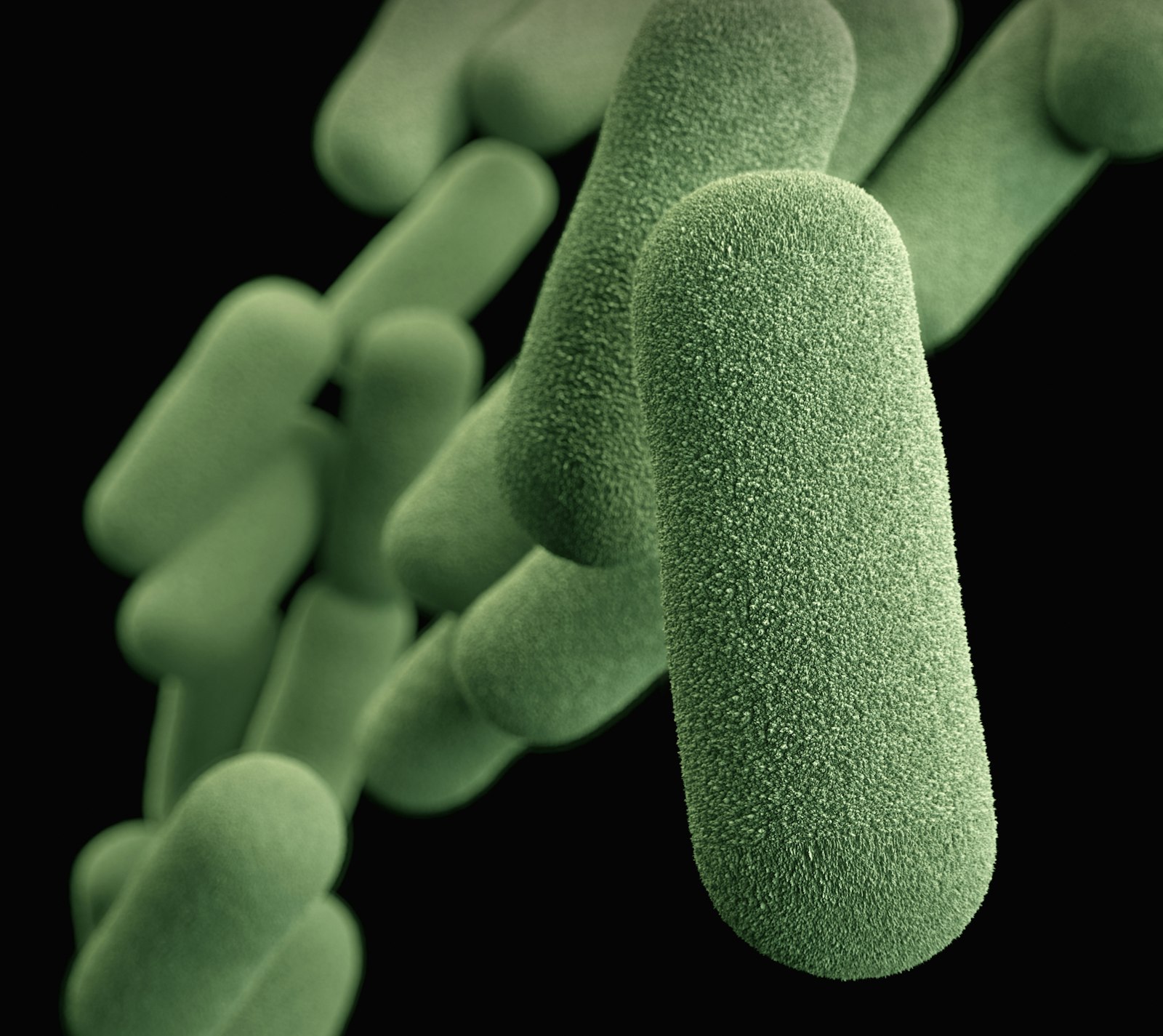
Small intestinal bacterial overgrowth happens when bacteria that belong in the colon migrate upstream and start fermenting food before it should be fermented—hence the bloating, gas, and irregularity. Supplements are not a replacement for diagnosis (breath testing) or, in stubborn cases, prescription therapy. What the better-formulated products can do is support three phases of recovery: reducing the overgrowth itself, breaking down the biofilm that protects it, and repairing the gut lining and motility that let SIBO recur in the first place.
Most people who succeed long-term use supplements as one piece of a broader protocol that includes diet adjustment and, ideally, guidance from a practitioner who understands the condition. Ranking these products means asking three questions: is the active ingredient dosed at a clinically relevant level, is the delivery form absorbable, and does it target a phase of SIBO you're actually in?
Phase 1: Herbal Antimicrobials
Herbal antimicrobial blends are the most researched over-the-counter option for SIBO, largely because a well-known 2014 trial found herbal therapy performed comparably to rifaximin for normalizing breath test results. The active compounds that show up again and again in credible formulas are berberine, oregano oil (standardized for carvacrol), neem, and allicin-based garlic extracts.
Dosing matters more than marketing. Berberine protocols in studies typically land around 800–1500mg daily split across doses; oregano oil formulas are usually standardized to a specific carvacrol percentage rather than just 'oil of oregano' on a label. If a product doesn't disclose standardization or milligram strength of actives, treat that as a red flag, not a feature.
- Look for berberine, oregano (carvacrol-standardized), neem, or allicin as named actives
- Avoid proprietary blends that hide exact milligram doses
- Plan for 4-6 week cycles, not indefinite daily use
- Rotate formulas partway through if a practitioner recommends it, since some bacteria adapt
Shop Clinically-Dosed Antimicrobial Formulas
iHerb carries a wide range of berberine, oregano oil, and neem-based antimicrobial supplements with transparent milligram dosing and third-party tested batches.
Browse on iHerb →Phase 2: Biofilm Disruptors
Biofilms are the protective matrix bacteria build around themselves, and they're a major reason SIBO treatment fails or overgrowth returns within months. Biofilm-disrupting supplements—typically built around enzymes like serrapeptase, or compounds like N-acetylcysteine (NAC) and monolaurin—are meant to be taken on an empty stomach, ideally before the antimicrobial phase or alongside it, so the antimicrobials can actually reach the bacteria underneath.
This category is easy to get wrong because dosing windows matter. Serrapeptase and NAC are enzyme- and mucolytic-based, meaning food in the stomach can blunt their effect substantially. If a product doesn't include timing instructions relative to meals, that's a sign the formulation wasn't built with SIBO protocols in mind.
Who Actually Needs This Phase
Not everyone with SIBO has a meaningful biofilm burden, but it's worth considering if you've done a round of antimicrobials or even antibiotics and symptoms returned within a few months. Recurrent SIBO—especially the hydrogen-dominant type—is one of the more common reasons practitioners add biofilm support to round two of treatment.
N-Acetylcysteine & Serrapeptase Formulas
Empty-stomach biofilm disruptors are widely available and easy to compare by dose—look for NAC at 600mg+ per capsule and enzyme blends with transparent activity units.
View options on Amazon →Phase 3: Prokinetics & Motility Support
Migrating motor complex (MMC) dysfunction is one of the most overlooked root causes of recurrent SIBO. The MMC is the 'housekeeping wave' that sweeps leftover bacteria out of the small intestine between meals, and when it's sluggish—often from prior food poisoning, low thyroid function, or chronic stress—bacteria have room to build back up even after a successful antimicrobial round.
Natural prokinetic ingredients with the most supporting evidence include ginger extract, 5-HTP, and triphala-based Ayurvedic blends. These are typically taken at bedtime, since the MMC is most active during the overnight fasting window, and they're meant for ongoing maintenance rather than a short cycle.
- Ginger extract supports gastric emptying and MMC activity
- 5-HTP formulas are often used at low doses for motility support
- Triphala blends are used to support regularity and bowel transit time
- Best taken nightly for 3+ months after an antimicrobial round, per most protocols
Phase 4: Gut Lining & Barrier Repair
SIBO frequently damages the gut lining through chronic inflammation, and unresolved barrier issues can keep symptoms like food reactivity and bloating going even after bacterial levels normalize. L-glutamine, zinc carnosine, and deglycyrrhizinated licorice (DGL) are the most commonly used repair-phase ingredients, typically introduced once the antimicrobial and biofilm phases are complete.
Timing this phase correctly matters: introducing heavy gut-repair supplementation too early, before overgrowth is addressed, can sometimes feed the very bacteria you're trying to reduce, since glutamine and certain fibers are fermentable substrates.
| Category | Key Actives | Typical Timing | Best For |
|---|---|---|---|
| Herbal Antimicrobials | Berberine, oregano/carvacrol, neem, allicin | 4-6 week cycles with meals | Initial overgrowth reduction |
| Biofilm Disruptors | NAC, serrapeptase, monolaurin | Empty stomach, before antimicrobials | Recurrent or treatment-resistant SIBO |
| Prokinetics | Ginger extract, 5-HTP, triphala | Nightly, ongoing | Preventing relapse via MMC support |
| Gut Repair | L-glutamine, zinc carnosine, DGL | After antimicrobial phase | Lingering bloating, barrier dysfunction |
Structured Multi-Phase SIBO Support
System Labs offers formulated stacks designed around the antimicrobial-to-repair sequence, with clear dosing schedules instead of a single miscellaneous blend.
Explore System Labs →Confirm Before You Treat
The single biggest mistake in SIBO supplementation is guessing. Hydrogen-dominant and hydrogen sulfide-dominant SIBO respond differently to some herbal antimicrobials, and treating the wrong pattern wastes weeks and money. A breath test at the start of your protocol—and again 6-8 weeks after finishing—gives you an objective read instead of relying on symptom tracking alone.
Know Your SIBO Type Before You Supplement
EmpowerDx offers an at-home breath test that identifies hydrogen and methane patterns, so you can match your supplement protocol to your actual gas profile instead of guessing.
Order Your Test Kit →How to Actually Rank Them
A genuinely 'best' SIBO supplement isn't the one with the flashiest label—it's the one dosed at levels used in published protocols, transparent about standardization, and matched to the phase of treatment you're actually in. Start with a confirmed diagnosis, layer in herbal antimicrobials at real doses, add biofilm support if round one didn't hold, and finish with prokinetic and gut-repair supplementation to keep the overgrowth from creeping back. Skip anything that can't tell you its milligram strength.
From across the network
More from the network on related topics: VitaminSupplyCenter · HerVitalityLab · HerDesireLab.