Your gut and brain are in constant conversation — and when that conversation breaks down, it shows up as brain fog, anxiety, poor sleep, and stubborn digestive symptoms all at once. Here's how to rank, choose, and stack the supplements that actually support this connection, based on mechanism and evidence rather than marketing claims.
Why Your Gut Is Basically a Second Brain
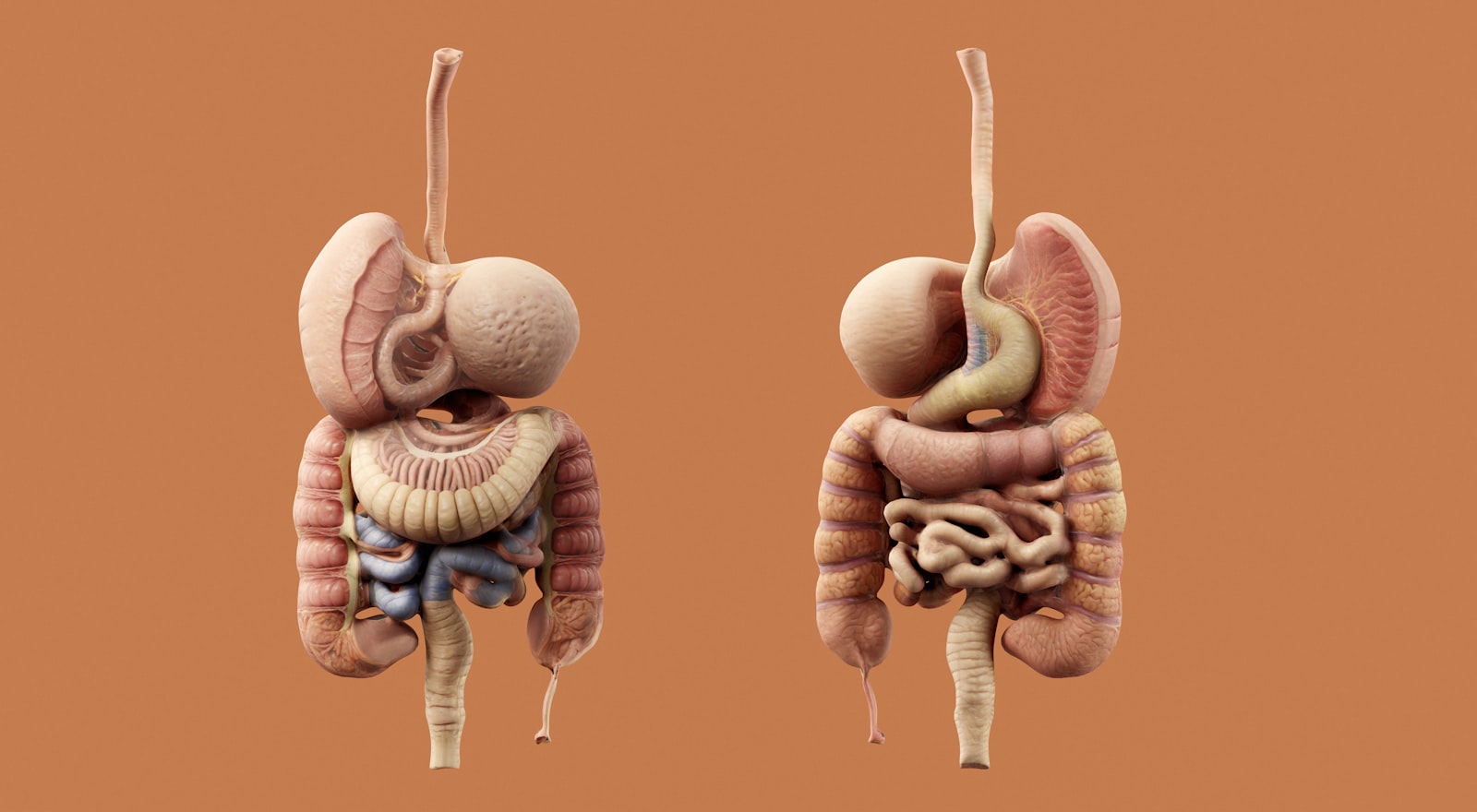
Roughly 90% of your body's serotonin and a hefty share of your dopamine are produced in the gut, not the brain. The vagus nerve wires your digestive tract directly into your central nervous system, sending far more signals upward than downward. This is the gut-brain axis: a two-way communication highway between your microbiome, your gut lining, and your mood, focus, and stress response.
When that axis is inflamed, imbalanced, or leaky, the fallout isn't just bloating and irregularity — it's brain fog, anxiety spikes, poor sleep, and low motivation. The right supplements target this axis at multiple points: feeding beneficial bacteria, calming gut inflammation, repairing the intestinal lining, and directly supporting neurotransmitter production.
Who Actually Needs a Gut-Brain Supplement
Not everyone needs to stack five bottles. But certain patterns strongly suggest your gut-brain axis is under strain and would benefit from targeted support.
- Chronic stress or anxiety paired with digestive symptoms like bloating, urgency, or constipation
- Brain fog, low motivation, or mood dips that seem to worsen after meals or antibiotic courses
- History of IBS, SIBO, or a recent course of antibiotics that likely disrupted microbial diversity
- Poor sleep quality despite good sleep hygiene — often tied to disrupted melatonin/serotonin precursor production in the gut
- High processed-food or low-fiber diet with minimal fermented food intake
The Core Categories, Ranked by Evidence Strength
Not all gut-brain supplements are created equal. Below is our ranking based on mechanistic plausibility, clinical research depth, and real-world tolerability — from strongest evidence to supportive-but-promising.
| Rank | Category | Best For | Typical Dose |
|---|---|---|---|
| 1 | Multi-strain psychobiotics (Lactobacillus & Bifidobacterium blends) | Anxiety, stress reactivity, mood support | 5–20 billion CFU/day |
| 2 | Omega-3 (EPA/DHA fish oil) | Inflammation reduction, cognitive support | 1,000–2,000 mg combined EPA/DHA |
| 3 | L-theanine + Magnesium glycinate | Calm focus, sleep quality, stress buffering | 200 mg theanine / 200–400 mg magnesium |
| 4 | Prebiotic fiber (PHGG, acacia, GOS) | Feeding beneficial bacteria, short-chain fatty acid production | 5–10 g/day, titrated slowly |
| 5 | L-glutamine + zinc-carnosine | Gut lining repair, reducing intestinal permeability | 5 g glutamine / 75 mg zinc-carnosine |
1. Psychobiotics: The Frontrunner
Specific strains like Lactobacillus helveticus, Bifidobacterium longum, and Lactobacillus rhamnosus have been studied in randomized trials for their effects on cortisol levels, anxiety scores, and stress resilience. These aren't generic probiotics — the strain matters enormously, so look for products that list exact strain names, not just species.
Effects typically build over 4–8 weeks of consistent use. Look for shelf-stable or refrigerated formulas with guaranteed CFU counts at expiration, not just at manufacture.

Shop Multi-Strain Probiotics on iHerb
Compare CFU counts, strain transparency, and third-party testing across dozens of gut-brain-focused probiotic formulas in one place.
Browse Probiotics on iHerb →2. Omega-3s: The Anti-Inflammatory Backbone
Chronic low-grade inflammation is one of the clearest bridges between gut dysfunction and brain symptoms. EPA and DHA reduce inflammatory signaling and support the integrity of both the gut lining and neuronal membranes. A combined daily dose of 1,000–2,000 mg (EPA+DHA) is the range most consistently used in mood-related research.
Choose triglyceride-form fish oil or algae-based omega-3 if you're plant-based, and check for third-party oxidation testing since rancid omega-3s can do more harm than good.
3. L-Theanine + Magnesium: The Calm-Focus Combo
L-theanine, an amino acid found in green tea, increases alpha brain wave activity without sedation, while magnesium glycinate supports GABA activity and is well absorbed without the laxative effect of cheaper magnesium oxide forms. Together they're a favorite stack for people whose gut-brain symptoms show up as racing thoughts, tension, or difficulty winding down at night.
Find a Well-Absorbed Magnesium Glycinate
Skip magnesium oxide. Compare highly-rated glycinate formulas built for absorption and gut comfort.
Compare on Amazon →4. Prebiotic Fiber: Feeding the System
Probiotics need fuel. Prebiotic fibers like partially hydrolyzed guar gum (PHGG), acacia fiber, and galacto-oligosaccharides (GOS) feed beneficial bacteria, which then produce short-chain fatty acids like butyrate — a compound that directly supports gut lining integrity and has documented neuroprotective effects.
Start low. Jumping straight to 10 g/day of any fermentable fiber can cause bloating and gas in people with sensitive guts. Titrate up over 2–3 weeks.
5. L-Glutamine and Zinc-Carnosine: Repairing the Foundation
If your gut lining is compromised — from chronic stress, NSAID use, or a history of gut infections — psychobiotics and fiber alone may not be enough. L-glutamine is the primary fuel source for intestinal cells, and zinc-carnosine has research support for supporting mucosal repair. This combination is often used as a foundational phase before layering in probiotics and fiber.
Explore Targeted Gut Lining Support
System Labs formulates gut-repair stacks built around glutamine, zinc-carnosine, and mucosal-support nutrients for those rebuilding from the inside out.
View System Labs Formulas →How to Stack These Without Overdoing It
You don't need every category at once. A sensible starting sequence: begin with a multi-strain psychobiotic and omega-3 for 4–6 weeks, add prebiotic fiber gradually once digestion feels stable, and reserve glutamine/zinc-carnosine for periods of active gut repair or post-antibiotic recovery.
Track symptoms — mood, sleep, bloating, focus — on a simple weekly log. The gut-brain axis responds slowly and non-linearly, so give any new addition at least three to four weeks before judging its effect.
When to Get Testing Instead of Guessing
Supplements work best when they're targeted, not scattershot. If you've tried a solid psychobiotic and omega-3 stack for two months with minimal change, or if symptoms are severe enough to disrupt daily life, a comprehensive gut or hormone panel can reveal whether something more specific — dysbiosis, SIBO, or a nutrient deficiency — is driving the disconnect.
Test Before You Guess
EmpowerDx at-home panels can help pinpoint underlying imbalances so your supplement stack targets the actual root cause instead of general symptoms.
Explore EmpowerDx Testing →From across the network
More from the network on related topics: VitaminSupplyCenter · HerVitalityLab · HerDesireLab.